PCI DSS Attestation of Compliance: 7 Critical Vendor Checks

Review a vendor’s PCI DSS Attestation of Compliance in seven steps. Match the entity, service, region and controls before relying on the evidence.
Practical cybersecurity guides, labs & compliance
Review a vendor’s PCI DSS Attestation of Compliance in seven steps. Match the entity, service, region and controls before relying on the evidence.

Build a PCI DSS responsibility matrix for payment providers. Use a worked merchant example, evidence checklist, and vendor email to resolve shared controls.

Compare five PCI platform candidates by merchant workflow, scan management and broader evidence coordination. Use the same demo record to confirm licensed features, excluded services and remaining manual work.

Separate PCI program consequences, remediation, investigation and business disruption. Copy a cost ledger that distinguishes invoices, estimates, contingent amounts and unknowns without inventing a universal penalty.

Identify your Stripe checkout integration, review the validation documents requested for your account and track remaining website, scanning and access responsibilities with a short evidence note.
Reassess PCI DSS after a payment-provider switch with nine checks, three decision gates, a cutover test matrix and a record for retained legacy payment paths.

Compare current Visa, Mastercard, American Express and Discover merchant classifications, clarify threshold boundaries and prepare a counting worksheet before confirming validation requirements.
Choose and complete the right PCI DSS SAQ with eight steps, stronger evidence examples, response guidance, a remediation record and a four-part submission review.

Review PCI DSS penetration testing with seven evidence checks, a scope-to-report matrix, retest status examples and a change-decision record. Connect agreed coverage, actual results and verified corrections.
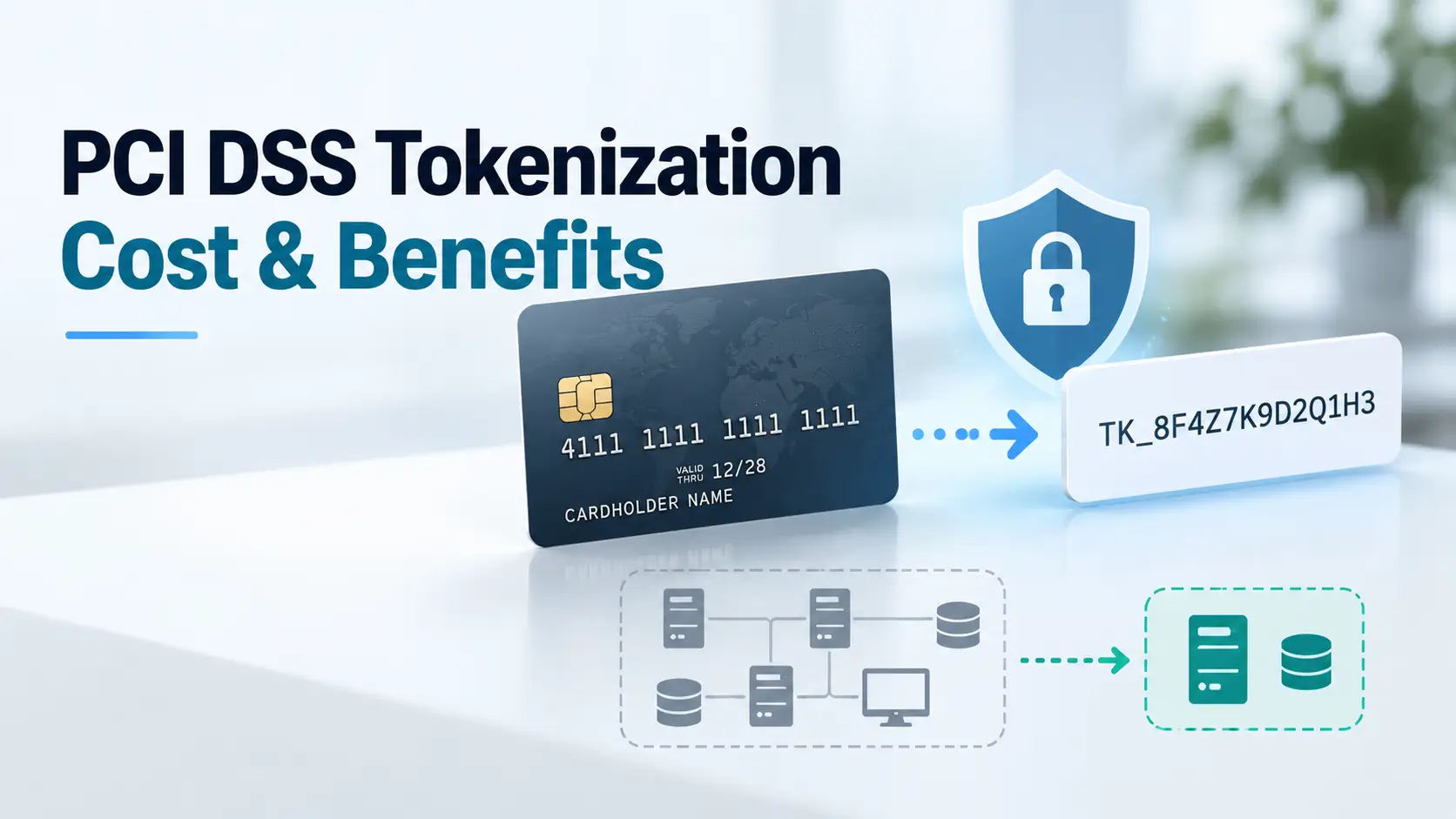
Evaluate tokenization costs with seven checks, a system-review matrix and a quote record. Compare cash and staff capacity separately, then test how delayed benefit realization changes first-year ROI.