Atlassian CVE-2026-21589: 7 Urgent Checks for Admins

Respond to Atlassian CVE-2026-21589 with seven practical checks: confirm hosting, inventory instances, prioritize exposure, patch, preserve logs, review secrets, and verify recovery.
Practical cybersecurity guides, labs & compliance
Respond to Atlassian CVE-2026-21589 with seven practical checks: confirm hosting, inventory instances, prioritize exposure, patch, preserve logs, review secrets, and verify recovery.
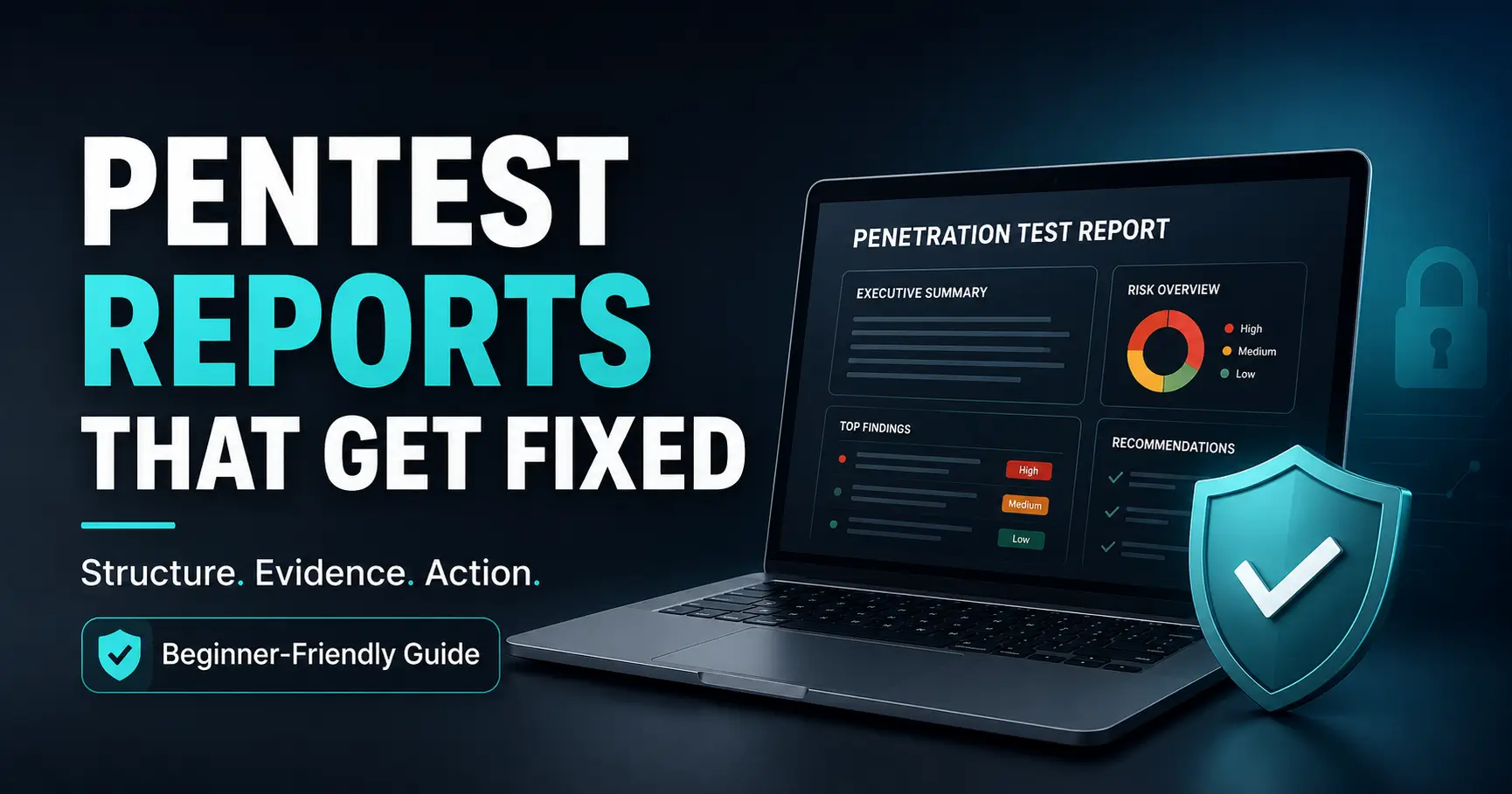
Beginner-Friendly Reporting Guide Professional Pentest Report TemplateThat Clients Can Actually Use Finding a vulnerability feels like the dramatic part of penetration testing. The terminal scrolls, the exploit lands, and for a moment the room seems to hum. Then the assessment ends, the command history goes quiet, and the work that determines whether anyone fixes the … Read more
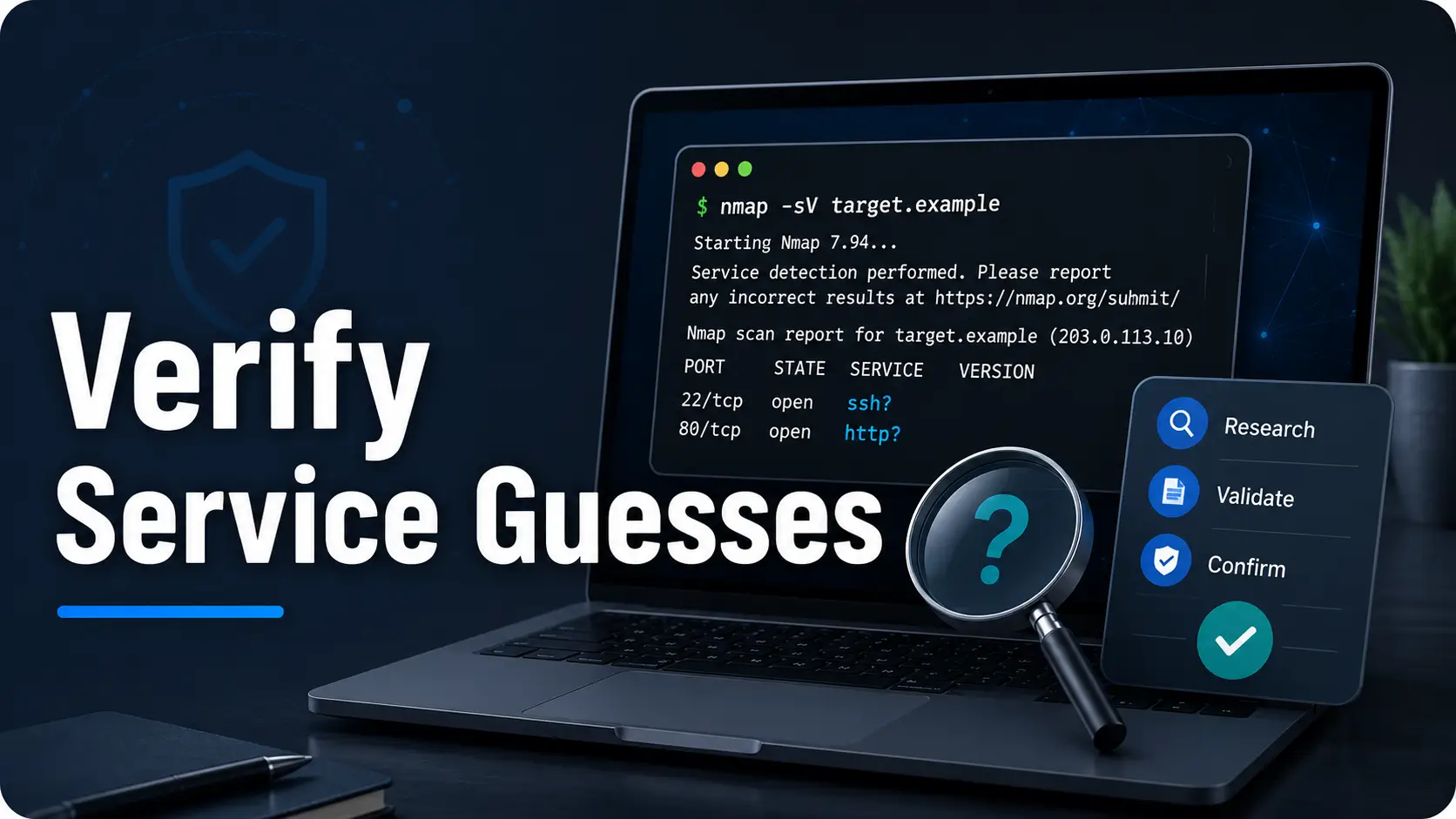
Beginner Cybersecurity Guide Nmap -sV False Positives: Stop Misreading Services A single nmap -sV line can look crisp, official, and report-ready. That is the trap. Service detection is useful because it turns a dark hallway of open ports into labeled doors, but the labels are still clues, not courtroom evidence. For beginner cybersecurity learners, junior … Read more
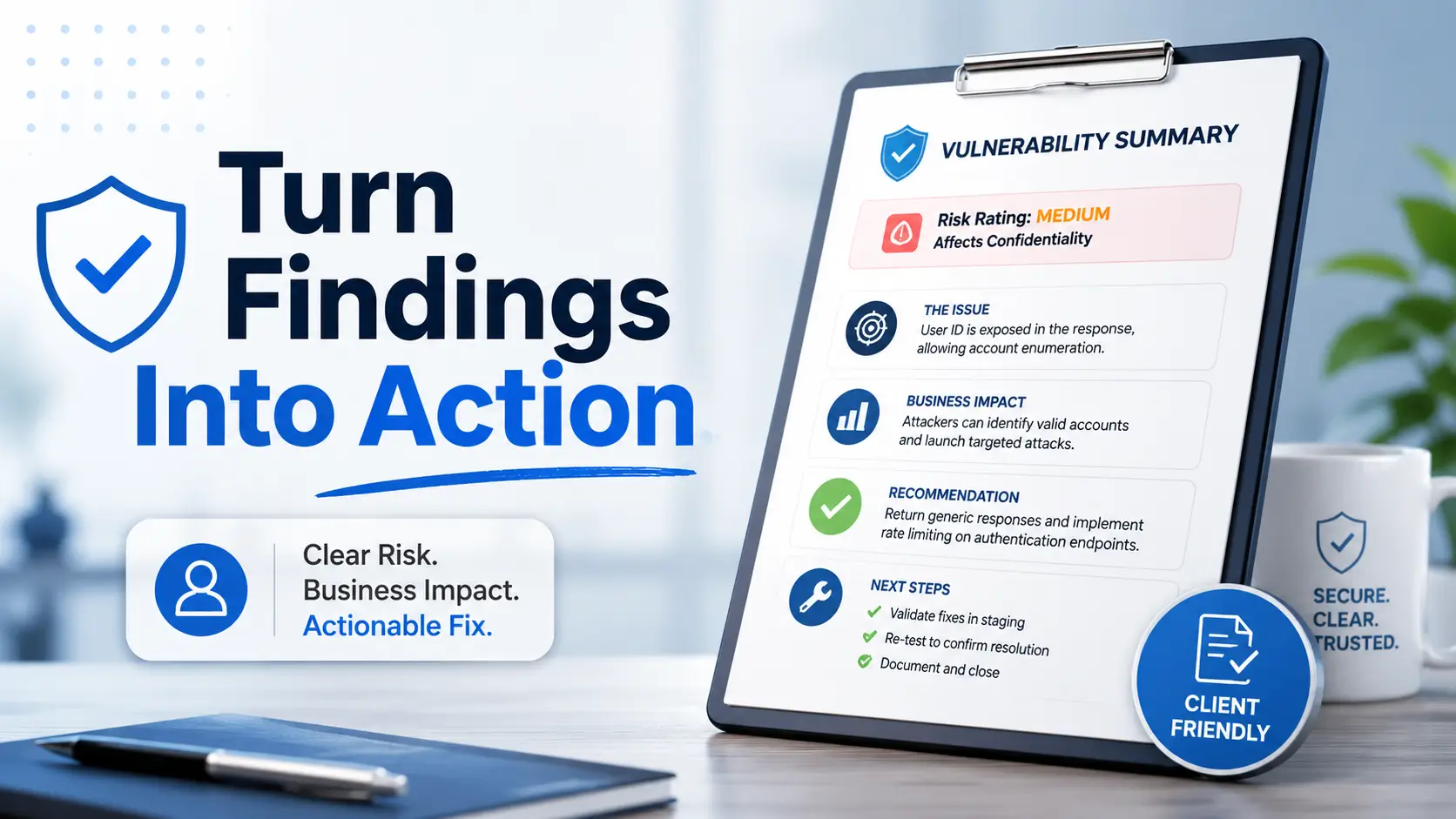
Pentest reporting without the fog machine Client-Friendly Vulnerability Descriptions for Junior Pentesters:Turn Findings Into Fixable Business Risk A vulnerability finding is not finished when the scanner stops talking. It is finished when a busy client can read it, understand the risk, assign the right owner, and know what to fix next without needing a translator, … Read more

Stop Managing Dashboards. Start Closing Attacker Paths. Most teams don’t fail vulnerability remediation because they chose 30/60/90—they fail because their SLA says one thing while real-world triage, change windows, and exploit pressure say another. The pain isn’t “too many findings.” It’s conflicting urgency models—security says exploitability, ops says maintenance windows, and compliance says policy text. … Read more