Restart or Restore Kioptrix: A Pre-Action Checklist
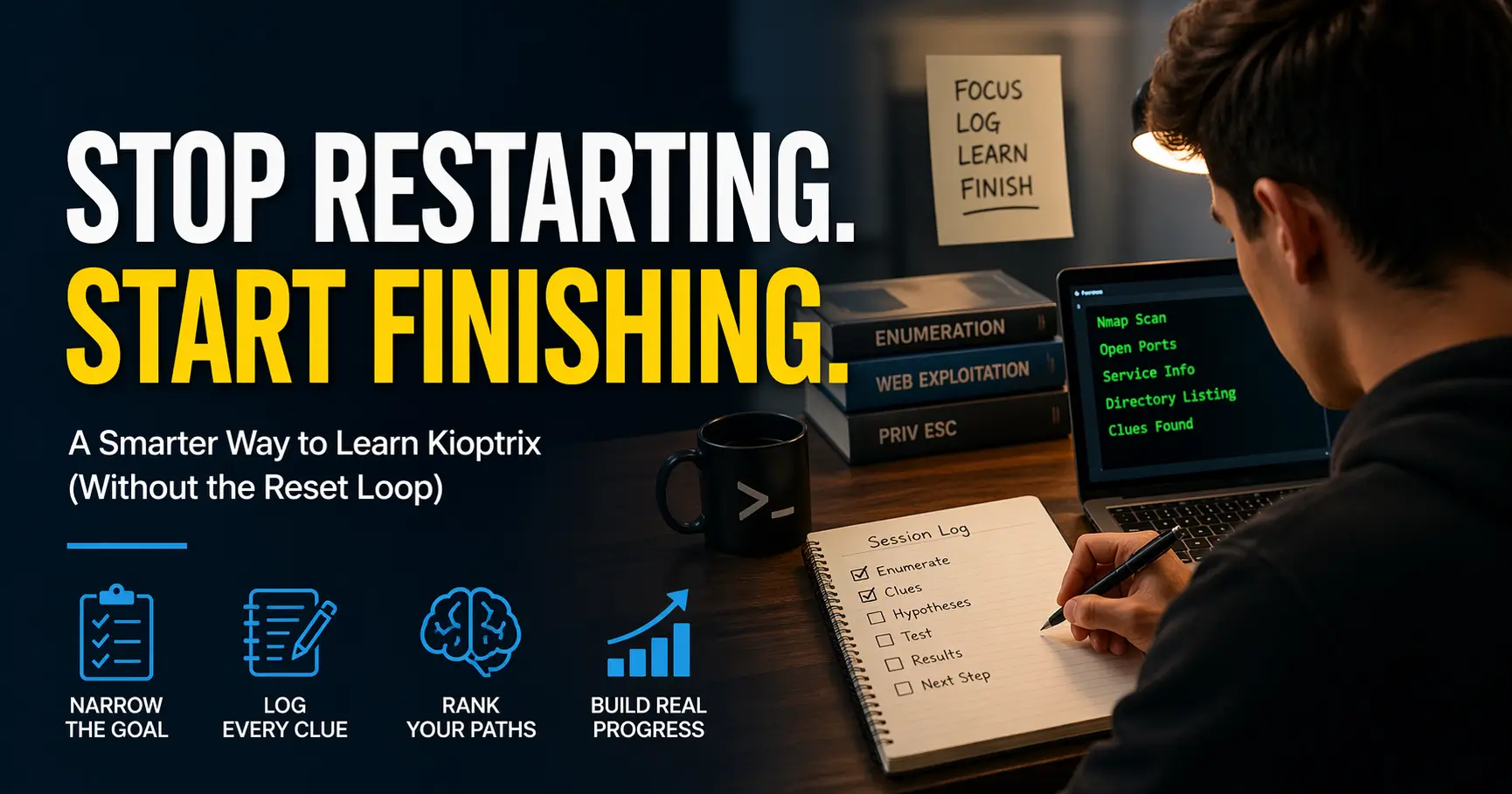
Before restarting or restoring a Kioptrix VM, check what changes, export evidence and define the observation that will verify the result.
Practical cybersecurity guides, labs & compliance
 Kioptrix Labs
Before restarting or restoring a Kioptrix VM, check what changes, export evidence and define the observation that will verify the result.
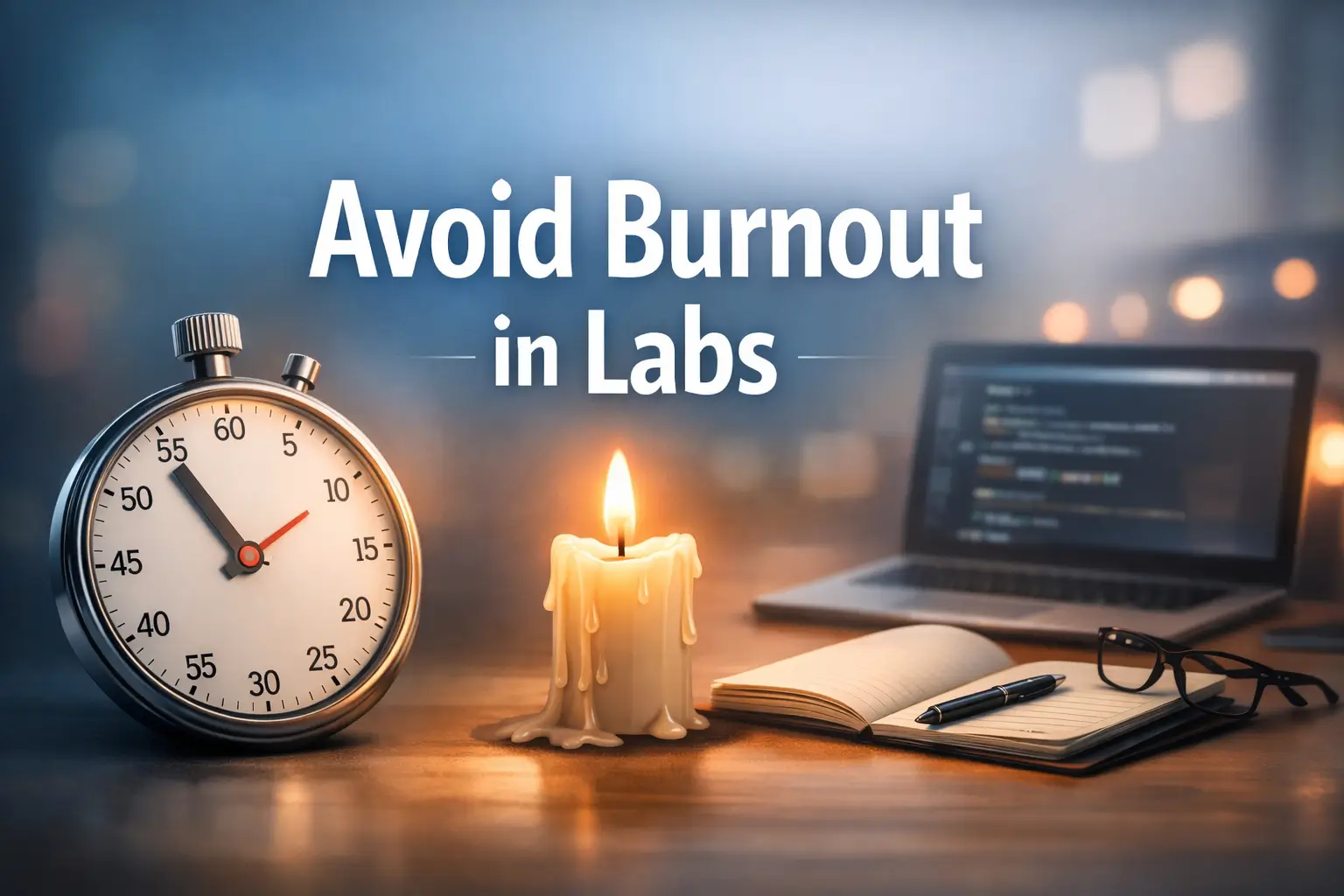
Close an unfinished Kioptrix session with a clear record of active work, preserved evidence, machine state and the next permitted check. Use the interrupted-scan example and four-part closure card to prepare a reliable restart.

Compare Kioptrix progress on the same task under recorded conditions. Use the worked comparison and note to separate changed assistance, remembered steps or repaired setup from claims about wider security ability.

Turn a broad lab guess into a bounded, testable claim. Use the plan to record supporting evidence, an alternative explanation, a distinguishing check and the result that would change your interpretation.

Keep one Kioptrix task bounded while parking new leads with a reason to return. Use the worked case, return-condition review and editable note to retain relevance, prerequisites, evidence and a stopping point.

Plan a reviewable weekly Kioptrix habit around the last artifact and next evidence gap. Use the feasibility choices and record to keep, narrow or postpone a task while preserving a usable closing state.
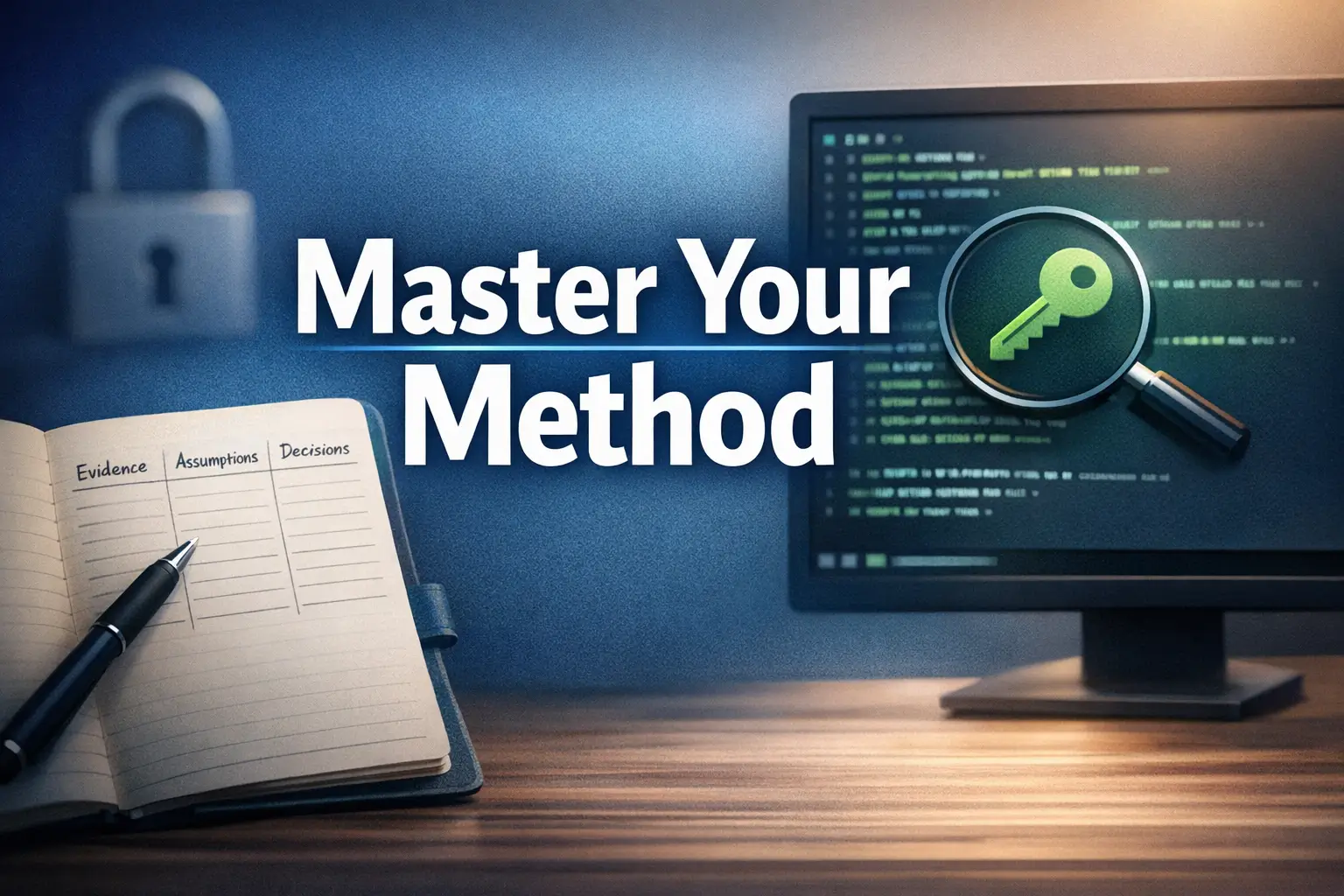
Assess one specific Kioptrix task using what you can explain, the evidence retained and the assistance used. Complete the task review to identify a practice gap without treating the worksheet as a certification or employment score.

Translate a familiar IT administration task into one security-testing question. Use the worked case and note to separate known network or permission behavior from a new hypothesis, its prerequisites and an authorized check.

Choose a Kioptrix tool by its missing capability. Compare scan coverage, a worked HTTP example and a four-field decision record.

Pause a Kioptrix task with the baseline, first relevant error and unresolved assumption preserved. Use the decision card to define a concrete condition for resuming rather than treating time spent stuck as evidence of skill.